WVU, UT Have a History - Just Not on the Gridiron
May 04, 2018 12:52 PM | Football, Blog
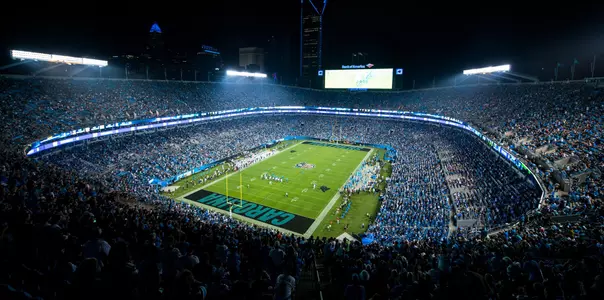
MORGANTOWN, W.Va. - West Virginia and Tennessee will be playing for the first time ever when they meet at Bank America Stadium in Charlotte, North Carolina, on Saturday, Sept. 1, but that doesn't mean there isn't some history between the two schools.
Actually, the football history is a little more extensive than you might think and pretty one-sided in Tennessee's favor.
For years, the Volunteers capitalized on West Virginia's lack of resources and pre-World War II gridiron struggles to raid the state's top players when the coal mines were operating at peak capacity and good football players were still plentiful in West Virginia.
Tennessee's Mountain State gridiron raids began in the late 1920s when Wheeling's Charles Reineke abandoned his West Virginia roots to become Bobby Dodd's backup quarterback on Tennessee's 9-1 team in 1930.
Ten years later, West Virginians played a vital role in Tennessee's undefeated 1939 team that lost to USC in the 1940 Rose Bowl.
Halfback George Cafego, from Scarbro near Oak Hill, became one of the great players in Tennessee history by earning All-America honors that year and finishing fourth in the Heisman Trophy balloting.
Coach Bob Neyland called Cafego a "practice bum" but that didn't stop him from using his star runner on Saturdays when he never played like a bum. He was the No. 1 pick in the 1940 NFL Draft and following a professional career that was interrupted by wartime service, Cafego returned to Tennessee where he became a 30-year assistant coach before retiring in 1984.
Today, a road off of Route 19 in Fayette County is named after him.
Three other West Virginians were also key members of that '39 Volunteer squad that didn't allow a single point during the regular season - All-America tackle Abe Shires from Alderson, which is about halfway between Beckley and White Sulphur Springs, blocking back and team captain Sam Bartholomew from Hillsboro, just south of Marlinton, and end Jimmy Coleman from St. Albans.
Cafego, Shires and Bartholomew are in the Tennessee Sports Hall of Fame.
"Nearly half of the starting lineup for Bob Neyland's 1940 Rose Bowl team was made up of West Virginians," Charleston Daily Mail sports editor Dick Hudson once pointed out.
A year later, Beckley's Dave Romine lettered on Tennessee's 1941 Sugar Bowl team while also establishing a school record in the shot put in outdoor track, and Lawrence Zontini, the last of the three Zontini brothers from Sherman High, about 25 miles south of Charleston, was a member of Tennessee's team that defeated Tulsa, 14-7, in the 1943 Sugar Bowl.
Bluefield center Jody Fisher won two letters for the Volunteers during the 1941 and 1942 seasons and was a teammate of Zontini's for one year.
Madison's Jim Myers was a two-year starter for Tennessee in the mid-1940s and later had a long and distinguished 40-year coaching career in the college and professional ranks, most notably as Tom Landry's offensive coordinator for the Dallas Cowboys.
Northfork's Buddy Pike scored the winning touchdown in West Virginia's 6-2 victory over Maryland in 1943, but a year later transferred to Tennessee when Uncle Sam was pilfering college football rosters across the country during World War II. Pike lettered three years at end for the Volunteers and played on UT's 1945 Rose and 1947 Orange Bowl teams.
Bluefield's Bob Davis, Princeton's Bernie Sizemore and Pat Shires, Abe's younger brother, were Tennessee teammates in the late 1940s and early 1950s.
Davis was the starting center on Tennessee's 1951 national championship team and was a longtime coach and administrator in UT's athletic department.
Pat Shires, Abe's younger brother, was the starting tailback on the Vols' 1952 team that lost to Texas in the Cotton Bowl and he kicked the extra point following Andy Kozar's go-ahead touchdown to upset the Longhorns in the 1951 Cotton Bowl.
Sizemore scored four touchdowns and lettered at fullback during the 1949 season for the Volunteers, as did Century's John Cvetnick in 1954.
Alderson's Dave Shields earned a letter playing for Tennessee in 1961 and Welch's Tom Callaway was a contributor on three Volunteer teams in 1967, 1968 and 1969.
In the early 1970s, Tennessee returned to the Mountain State once more to nab Charleston linebacker Ronnie McCartney out of Stonewall Jackson High. McCartney played on two Volunteer bowl teams and was named team captain in 1975.
Defensive tackle Jim Woofter from Oak Glen High in New Cumberland was a teammate of McCartney in 1974-75 and lettered three seasons for the Volunteers - 10 years before the state's top defensive line prospect, Stonewall Jackson's Mark Moore, also made Tennessee his college choice in 1986.
Morgantown High's Carey Bailey, Jr., the son of WVU men's basketball standout Cary Bailey Sr., picked Tennessee over West Virginia in 1987 and lettered four seasons for the Volunteers from 1988-91, helping them to three bowl appearances including a trip to the 1992 Fiesta Bowl during his senior season.
He spent two years at West Virginia as a graduate assistant coach and is now the defensive line coach at Richmond.
State player of the year Keith Jeter from Weirton was another Tennessee signee, but he played sparingly for the Volunteers in 1990-91 before his career fizzled.
Most recently, Huntington wide receiver Drew Tardy lettered one season for Tennessee in 2006 after transferring from Marshall.
But the West Virginia-Tennessee encounters have not been completely one-sided, however.
Andy "Rip" King was a tremendous two-way player for West Virginia, teaming with Ira Errett Rodgers and Clay Hite in 1919 to give the Mountaineers one of the strongest teams in the East. King was once a star prep player at Battle Ground Academy, which still exists today in Franklin, Tennessee, and he also starred in the early days of professional football playing for Akron, Chicago and the Hammond Pros.
 In the late 1960s, Tennessee native Jim Carlen began recruiting his home state a little bit for West Virginia and his efforts turned up All-America linebacker Dale Farley from Sparta, Tennessee.
Farley was a key contributor on West Virginia's 10-win team in 1969 that defeated ACC champion South Carolina in the Peach Bowl in Atlanta.
A few years later, Morristown, Tennessee, delivered a pair of West Virginia lettermen in offensive guard Walt Bragg and wide receiver Marshall Mills, who caught 104 career passes for 1,501 yards and eight touchdowns and was a member of WVU's 1972 Peach Bowl squad.
Brentwood's Mike Henshaw, the son of former Mountaineer and Tennessee Titans assistant coach George "Duke" Henshaw, lettered four seasons as a backup defensive back on Rich Rodriguez's Mountaineer teams in the early 2000s.
He played on three bowl teams for the Mountaineers.
And Memphis quarterback Barry Brunetti played one season for West Virginia in 2010 before transferring to Ole Miss.
Currently, West Virginia will have a pair of Volunteer State residents on its roster when WVU faces Tennessee in Charlotte this fall - Bolivar Central High teammates Trey Lowe III and Briason Mays.
Lowe graduated high school early to participate in spring football drills for the Mountaineers and will spend this season backing up starting quarterback Will Grier.
Mays is a true freshman offensive lineman.
Indeed, the gridiron meetings may be non-existent for these two schools, but they've had plenty of encounters off of it through the years, particularly in the coalfields of West Virginia.
Actually, the football history is a little more extensive than you might think and pretty one-sided in Tennessee's favor.
For years, the Volunteers capitalized on West Virginia's lack of resources and pre-World War II gridiron struggles to raid the state's top players when the coal mines were operating at peak capacity and good football players were still plentiful in West Virginia.
Tennessee's Mountain State gridiron raids began in the late 1920s when Wheeling's Charles Reineke abandoned his West Virginia roots to become Bobby Dodd's backup quarterback on Tennessee's 9-1 team in 1930.
Ten years later, West Virginians played a vital role in Tennessee's undefeated 1939 team that lost to USC in the 1940 Rose Bowl.
Halfback George Cafego, from Scarbro near Oak Hill, became one of the great players in Tennessee history by earning All-America honors that year and finishing fourth in the Heisman Trophy balloting.
Coach Bob Neyland called Cafego a "practice bum" but that didn't stop him from using his star runner on Saturdays when he never played like a bum. He was the No. 1 pick in the 1940 NFL Draft and following a professional career that was interrupted by wartime service, Cafego returned to Tennessee where he became a 30-year assistant coach before retiring in 1984.
Today, a road off of Route 19 in Fayette County is named after him.
Three other West Virginians were also key members of that '39 Volunteer squad that didn't allow a single point during the regular season - All-America tackle Abe Shires from Alderson, which is about halfway between Beckley and White Sulphur Springs, blocking back and team captain Sam Bartholomew from Hillsboro, just south of Marlinton, and end Jimmy Coleman from St. Albans.
Cafego, Shires and Bartholomew are in the Tennessee Sports Hall of Fame.
"Nearly half of the starting lineup for Bob Neyland's 1940 Rose Bowl team was made up of West Virginians," Charleston Daily Mail sports editor Dick Hudson once pointed out.
A year later, Beckley's Dave Romine lettered on Tennessee's 1941 Sugar Bowl team while also establishing a school record in the shot put in outdoor track, and Lawrence Zontini, the last of the three Zontini brothers from Sherman High, about 25 miles south of Charleston, was a member of Tennessee's team that defeated Tulsa, 14-7, in the 1943 Sugar Bowl.
Bluefield center Jody Fisher won two letters for the Volunteers during the 1941 and 1942 seasons and was a teammate of Zontini's for one year.
Madison's Jim Myers was a two-year starter for Tennessee in the mid-1940s and later had a long and distinguished 40-year coaching career in the college and professional ranks, most notably as Tom Landry's offensive coordinator for the Dallas Cowboys.
Northfork's Buddy Pike scored the winning touchdown in West Virginia's 6-2 victory over Maryland in 1943, but a year later transferred to Tennessee when Uncle Sam was pilfering college football rosters across the country during World War II. Pike lettered three years at end for the Volunteers and played on UT's 1945 Rose and 1947 Orange Bowl teams.
Bluefield's Bob Davis, Princeton's Bernie Sizemore and Pat Shires, Abe's younger brother, were Tennessee teammates in the late 1940s and early 1950s.
Davis was the starting center on Tennessee's 1951 national championship team and was a longtime coach and administrator in UT's athletic department.
Pat Shires, Abe's younger brother, was the starting tailback on the Vols' 1952 team that lost to Texas in the Cotton Bowl and he kicked the extra point following Andy Kozar's go-ahead touchdown to upset the Longhorns in the 1951 Cotton Bowl.
Sizemore scored four touchdowns and lettered at fullback during the 1949 season for the Volunteers, as did Century's John Cvetnick in 1954.
Alderson's Dave Shields earned a letter playing for Tennessee in 1961 and Welch's Tom Callaway was a contributor on three Volunteer teams in 1967, 1968 and 1969.
In the early 1970s, Tennessee returned to the Mountain State once more to nab Charleston linebacker Ronnie McCartney out of Stonewall Jackson High. McCartney played on two Volunteer bowl teams and was named team captain in 1975.
Defensive tackle Jim Woofter from Oak Glen High in New Cumberland was a teammate of McCartney in 1974-75 and lettered three seasons for the Volunteers - 10 years before the state's top defensive line prospect, Stonewall Jackson's Mark Moore, also made Tennessee his college choice in 1986.
Morgantown High's Carey Bailey, Jr., the son of WVU men's basketball standout Cary Bailey Sr., picked Tennessee over West Virginia in 1987 and lettered four seasons for the Volunteers from 1988-91, helping them to three bowl appearances including a trip to the 1992 Fiesta Bowl during his senior season.
He spent two years at West Virginia as a graduate assistant coach and is now the defensive line coach at Richmond.
State player of the year Keith Jeter from Weirton was another Tennessee signee, but he played sparingly for the Volunteers in 1990-91 before his career fizzled.
Most recently, Huntington wide receiver Drew Tardy lettered one season for Tennessee in 2006 after transferring from Marshall.
But the West Virginia-Tennessee encounters have not been completely one-sided, however.
Andy "Rip" King was a tremendous two-way player for West Virginia, teaming with Ira Errett Rodgers and Clay Hite in 1919 to give the Mountaineers one of the strongest teams in the East. King was once a star prep player at Battle Ground Academy, which still exists today in Franklin, Tennessee, and he also starred in the early days of professional football playing for Akron, Chicago and the Hammond Pros.
In the late 1960s, Tennessee native Jim Carlen began recruiting his home state a little bit for West Virginia and his efforts turned up All-America linebacker Dale Farley from Sparta, Tennessee.Farley was a key contributor on West Virginia's 10-win team in 1969 that defeated ACC champion South Carolina in the Peach Bowl in Atlanta.
A few years later, Morristown, Tennessee, delivered a pair of West Virginia lettermen in offensive guard Walt Bragg and wide receiver Marshall Mills, who caught 104 career passes for 1,501 yards and eight touchdowns and was a member of WVU's 1972 Peach Bowl squad.
Brentwood's Mike Henshaw, the son of former Mountaineer and Tennessee Titans assistant coach George "Duke" Henshaw, lettered four seasons as a backup defensive back on Rich Rodriguez's Mountaineer teams in the early 2000s.
He played on three bowl teams for the Mountaineers.
And Memphis quarterback Barry Brunetti played one season for West Virginia in 2010 before transferring to Ole Miss.
Currently, West Virginia will have a pair of Volunteer State residents on its roster when WVU faces Tennessee in Charlotte this fall - Bolivar Central High teammates Trey Lowe III and Briason Mays.
Lowe graduated high school early to participate in spring football drills for the Mountaineers and will spend this season backing up starting quarterback Will Grier.
Mays is a true freshman offensive lineman.
Indeed, the gridiron meetings may be non-existent for these two schools, but they've had plenty of encounters off of it through the years, particularly in the coalfields of West Virginia.
Gold-Blue Spring Festival Fan Recap
Sunday, April 19
John Neider | April 18
Saturday, April 18
Coach Zac Alley | April 18
Saturday, April 18
Coach Rich Rodriguez | April 18
Saturday, April 18