Photo by: All Pro Photography/Dale Sparks
Thorn Number Retirement Stirs Memories of WVU Basketball’s Golden Era
February 29, 2020 05:23 PM | Men's Basketball, Blog
MORGANTOWN, W.Va. – Today, we celebrate the great career of Rod Thorn, All-American basketball player and Hall of Fame professional basketball executive who helped transform the NBA into the worldwide phenomenon it has become today.
At halftime of this afternoon's West Virginia University men's basketball game against Oklahoma, Thorn's jersey No. 44 was officially retired along with Jerry West's No. 44 and Hot Rod Hundley's No. 33.
All three were born and raised in West Virginia, and those three were responsible for turning WVU into one of the most revered college basketball programs in the country in the late 1950s and early 1960s.
It's really difficult for people today to comprehend what a grip West Virginia University basketball had on sports fans in the Mountain State in the late 1960s and early 1960s.
When the late Dr. Lowell Schwab was attending medical school in Richmond, Virginia, and he couldn't listen to WVU basketball games on the radio, he asked Richmond's WRVA if it would be interested in carrying the broadcasts. Amazingly, the station said it would if he could get a sponsorship and he did, Old Dominion candy! Rod Thorn's entire senior season in 1963 could be heard throughout much of the East coast because of this!
At the time, basketball was by far the most popular thing in West Virginia with Mountaineer football a distant second.
In fact, some of the best football players WVU managed to attract in the 1960s and well into the 1970s came to Morgantown because of their familiarity with Jerry West.
"I didn't know anything about Morgantown, West Virginia, or West Virginia University," All-America running back Garrett Ford, a Washington, D.C., native, once recalled. "The only thing I knew about West Virginia was Jerry West."
How many schools in the country had a true basketball man running their athletic department back then? Not many, but West Virginia was one of them with Red Brown.
That was the No. 1 reason Duke assistant coach Bucky Waters picked West Virginia instead of LSU when the Mountaineer head coaching job came open in 1965.
The WVU basketball players had developed a rock-star status on campus and throughout the state, thanks to Hundley's infectious personality and West's shear greatness.
Getting to see these great homegrown players in their slick, shiny uniforms and North Carolina-style, knee-high socks warming up with their special gold and blue basketball, and observing that colorful plush, gold and blue carpet they ran out on during pregame introductions, was a dream come true of every small child from Weirton to Welch, Martinsburg to Matewan and all points in between.
The old Field House was always full of car-sick people who didn't care if it took forever for those curvy two-lane roads to lead them to the place where their heroes were, just as long as they got there in time for pregame warm-ups!
It almost brings people to tears when they recall what a special time it was back then for West Virginia University basketball.
West Virginia's great run of homegrown talent actually began in 1948 with Charleston's Mark Workman and continued in four-year intervals with Charleston's Hundley in 1952, Cheylan's West in 1956, Princeton's Thorn in 1960 and Weirton's Ron "Fritz" Williams in 1964.
All five could have played anywhere in the country - and Hundley actually started his college career at NC State - but the allure of playing for the University (that's how WVU was referenced back then with the U always capitalized) was ultimately too powerful to deny.
And because of Hundley's and West's great success at WVU, no high school player in the state's history encountered more fanfare and adoration than Thorn, considered one of the nation's top recruits during his senior year at Princeton High in spring of 1959.
Thorn sifted through more than 80 different scholarship offers before whittling his college choice down to two – Duke and West Virginia.
First-year Blue Devils coach Vic Bubas, once he discovered Rod's desire to study medicine in college, went to the extraordinary length of having world-renowned cardiovascular surgeon Michael DeBakey meet with Thorn to extoll the virtues of possessing a Duke medical degree.
DeBakey was the guy known as the father of modern cardiovascular surgery who once operated on The Duke of Windsor!
"That impressed me," Thorn said of his meeting with DeBakey.
How could WVU possibly compete with that? Its medical school was only in its infancy then.
It was going to take something extremely resourceful for West Virginia to top that, and it ultimately came from the State Legislature of all places, which in an unprecedented move, declared the Princeton star a state "natural resource." Think about that - a high school teenager was considered on the same level as the state's No. 1 economic generator, coal.
That's how basketball-crazed West Virginians had become in the late 1950s!
"I was so young and naïve at 16-, 17-years old that I really didn't think a lot about it," Thorn, sporting a sleek dark suit, pressed white shirt and pink tie, recalled this afternoon. It was like, 'What?'"
He may not have put too much thought into it, but a very important member of his family did – his mother, a respected elementary school teacher in Princeton.
"I know my mother talked about it, and she was a big proponent of me going to West Virginia," Thorn said. "She liked it."
So when D-Day (Decision-Day) finally arrived for Rod on May 18, 1959, he chose West Virginia University, much to the delight of everyone.
Nearly 61 years later, Thorn's decision to attend his home-state school has come full circle. Now, Mountaineer fans from Weirton to Welch, Martinsburg to Matewan and all points in between can look up and see Rod Thorn's jersey hanging right there with West's and Hundley's.
Those three retired numbers will forever serve as a reminder of the very special role these guys played in the history of our great University as part of its "Golden Era" of Mountaineer athletics.
And it truly was a Golden Era.
"You think back to when you matriculated here many, many years ago and you never anticipate, or never even think about a day like this happening," Thorn admitted. "But it has, and I'm just very appreciative and very thankful."
As are 1.8 million very grateful West Virginians! Congratulations, Rod!
At halftime of this afternoon's West Virginia University men's basketball game against Oklahoma, Thorn's jersey No. 44 was officially retired along with Jerry West's No. 44 and Hot Rod Hundley's No. 33.
All three were born and raised in West Virginia, and those three were responsible for turning WVU into one of the most revered college basketball programs in the country in the late 1950s and early 1960s.
It's really difficult for people today to comprehend what a grip West Virginia University basketball had on sports fans in the Mountain State in the late 1960s and early 1960s.
When the late Dr. Lowell Schwab was attending medical school in Richmond, Virginia, and he couldn't listen to WVU basketball games on the radio, he asked Richmond's WRVA if it would be interested in carrying the broadcasts. Amazingly, the station said it would if he could get a sponsorship and he did, Old Dominion candy! Rod Thorn's entire senior season in 1963 could be heard throughout much of the East coast because of this!
At the time, basketball was by far the most popular thing in West Virginia with Mountaineer football a distant second.
In fact, some of the best football players WVU managed to attract in the 1960s and well into the 1970s came to Morgantown because of their familiarity with Jerry West.
"I didn't know anything about Morgantown, West Virginia, or West Virginia University," All-America running back Garrett Ford, a Washington, D.C., native, once recalled. "The only thing I knew about West Virginia was Jerry West."
How many schools in the country had a true basketball man running their athletic department back then? Not many, but West Virginia was one of them with Red Brown.
That was the No. 1 reason Duke assistant coach Bucky Waters picked West Virginia instead of LSU when the Mountaineer head coaching job came open in 1965.
The WVU basketball players had developed a rock-star status on campus and throughout the state, thanks to Hundley's infectious personality and West's shear greatness.
Getting to see these great homegrown players in their slick, shiny uniforms and North Carolina-style, knee-high socks warming up with their special gold and blue basketball, and observing that colorful plush, gold and blue carpet they ran out on during pregame introductions, was a dream come true of every small child from Weirton to Welch, Martinsburg to Matewan and all points in between.
The old Field House was always full of car-sick people who didn't care if it took forever for those curvy two-lane roads to lead them to the place where their heroes were, just as long as they got there in time for pregame warm-ups!
It almost brings people to tears when they recall what a special time it was back then for West Virginia University basketball.
West Virginia's great run of homegrown talent actually began in 1948 with Charleston's Mark Workman and continued in four-year intervals with Charleston's Hundley in 1952, Cheylan's West in 1956, Princeton's Thorn in 1960 and Weirton's Ron "Fritz" Williams in 1964.
All five could have played anywhere in the country - and Hundley actually started his college career at NC State - but the allure of playing for the University (that's how WVU was referenced back then with the U always capitalized) was ultimately too powerful to deny.
And because of Hundley's and West's great success at WVU, no high school player in the state's history encountered more fanfare and adoration than Thorn, considered one of the nation's top recruits during his senior year at Princeton High in spring of 1959.
Thorn sifted through more than 80 different scholarship offers before whittling his college choice down to two – Duke and West Virginia.
First-year Blue Devils coach Vic Bubas, once he discovered Rod's desire to study medicine in college, went to the extraordinary length of having world-renowned cardiovascular surgeon Michael DeBakey meet with Thorn to extoll the virtues of possessing a Duke medical degree.
DeBakey was the guy known as the father of modern cardiovascular surgery who once operated on The Duke of Windsor!
"That impressed me," Thorn said of his meeting with DeBakey.
How could WVU possibly compete with that? Its medical school was only in its infancy then.
It was going to take something extremely resourceful for West Virginia to top that, and it ultimately came from the State Legislature of all places, which in an unprecedented move, declared the Princeton star a state "natural resource." Think about that - a high school teenager was considered on the same level as the state's No. 1 economic generator, coal.
That's how basketball-crazed West Virginians had become in the late 1950s!
"I was so young and naïve at 16-, 17-years old that I really didn't think a lot about it," Thorn, sporting a sleek dark suit, pressed white shirt and pink tie, recalled this afternoon. It was like, 'What?'"
He may not have put too much thought into it, but a very important member of his family did – his mother, a respected elementary school teacher in Princeton.
"I know my mother talked about it, and she was a big proponent of me going to West Virginia," Thorn said. "She liked it."
So when D-Day (Decision-Day) finally arrived for Rod on May 18, 1959, he chose West Virginia University, much to the delight of everyone.
Nearly 61 years later, Thorn's decision to attend his home-state school has come full circle. Now, Mountaineer fans from Weirton to Welch, Martinsburg to Matewan and all points in between can look up and see Rod Thorn's jersey hanging right there with West's and Hundley's.
Those three retired numbers will forever serve as a reminder of the very special role these guys played in the history of our great University as part of its "Golden Era" of Mountaineer athletics.
And it truly was a Golden Era.
"You think back to when you matriculated here many, many years ago and you never anticipate, or never even think about a day like this happening," Thorn admitted. "But it has, and I'm just very appreciative and very thankful."
As are 1.8 million very grateful West Virginians! Congratulations, Rod!
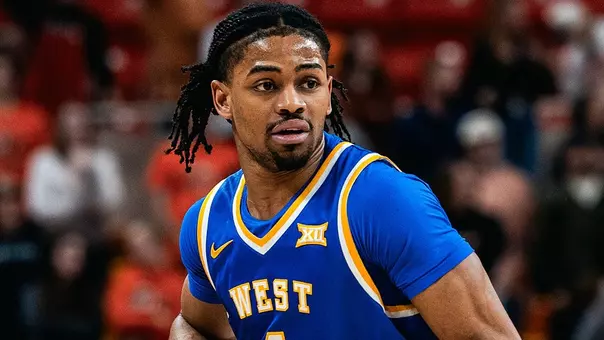
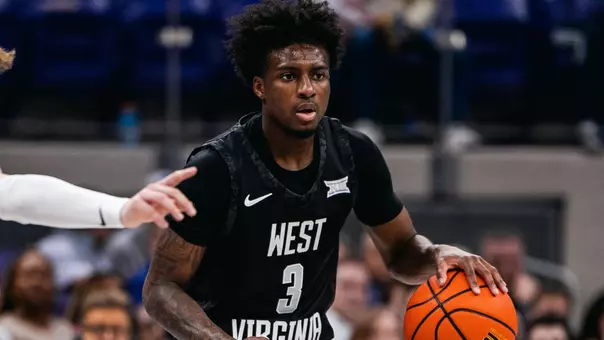
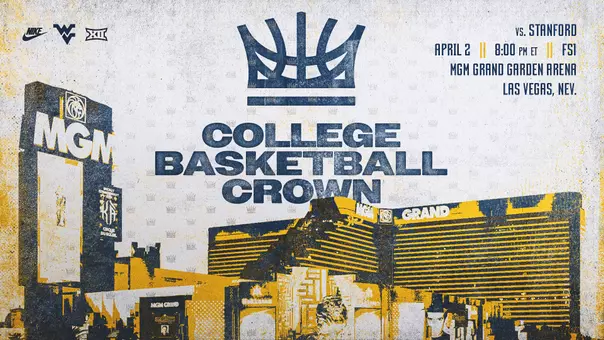
Ross Hodge | College Basketball Crown Preview
Monday, March 30
Honor Huff | College Basketball Crown Preview
Monday, March 30
Ross Hodge | BYU Postgame
Wednesday, March 11
Senior Night/UCF Recap
Sunday, March 08