THE SAFETY DANCE
August 10, 2011 10:51 AM | General
There are many reasons why Jeff Casteel’s defense has been so successful at West Virginia … Good, tough players, confusing schemes, a fast, aggressive style, so on and so forth. But perhaps the biggest reason Casteel has enjoyed so much success is because he has had 10 years to recruit players for this system, specifically safeties.
If you think back to those great Penn State defenses of the 1970s and the 1980s – and even before that in the 1950s and early 1960s with Rip Engle, you always heard about their “Hero back”, which Engle termed because he thought “Monster back” was too derogatory for college football (remember this was the 1950s during the Eisenhower years).
The Hero in Penn State’s standard 4-3 defense is the strong safety, which is really a hybrid linebacker – a guy big enough to take on blockers at the line of scrimmage and stick with tight ends out in space, and also agile enough to cover slot receivers in deep passing thirds.
Well, Casteel doesn’t call his safeties heroes, but he frequently asks those two hybrid guys to do some heroic things. If you look at the spur and the bandit safety positions they require bigger, more physical players.
“It’s fun to coach those guys because they get to do so many things,” said safeties coach Steve Dunlap.
West Virginia’s top two spurs, Terence Garvin and Michael Dorsey, have linebacker size standing 6-foot-3 and weighing around 220 pounds. Both have to be big enough to do all of the things linebackers do, and fast enough to do all of the things defensive backs do.
The bandits, too, are bigger guys – in the 6-foot, 6-foot-1 range and weighing right around 200 pounds.
I can still recall Casteel fretting over how his two short safeties were going to cover Georgia’s tall tight ends in the deep seams during the 2006 Sugar Bowl. All five of his DBs that year were in the 6-foot range.
Well, West Virginia was able to survive that game, but Casteel learned his lesson and that’s why you have seen much taller safeties running around in the secondary these days.
“We don’t have little safeties and we don’t have short safeties,” said Dunlap. “A shorter guy would have to be a free safety because they don’t have to play down in the box. If they put two tight ends or two backs in the backfield then we’ve got to have two safeties at the line of scrimmage. They are lined up outside the tight end and they’ve got to play there.”
Free safety Eain Smith (one of the shorter guys at 5-foot-11) gets to watch those spurs and bandits every day in practice and he marvels at their versatility.
“Those are big positions for us,” he said. “They are almost like linebackers who have to move in open space. They have to be on the tight end and sometimes guard the receivers. They are key players.”
In addition to those responsibilities, Casteel also likes to bring pressure off the corners with them. Think Eric Wicks and Mike Lorello and all of those great pressure plays they made from their spur and bandit positions during West Virginia’s big years in 2005, 2006 and 2007. Today, the spurs and the bandits are the guys in the back end constantly moving around in an effort to confuse the quarterback.
“If you watch practice or a game and you see a bunch of guys moving around it’s usually the safeties,” said Dunlap. “They are the adjusters of the defense but that’s a good thing. That’s their job and I think they enjoy that.”
Smith agrees.
“You don’t want anybody on offense to know what you’re doing. That’s to our advantage,” he said. “If they don’t know where the pressure is coming from that’s to our benefit – and especially in this defense with our speed; with (defensive end) Bruce Irvin that’s like 2.5 seconds.”
Dunlap, an old linebackers coach, said there are times when he has to coach his two safeties like linebackers.
“If you ask them they think I coach the linebackers because they say we hit too much,” Dunlap laughed. “I believe, like all of our defensive coaches, you have to stop the run first and you have to be physical and be fundamentally sound versus the run. If you’re not, we’re in big trouble because we’re not going to force enough third down situations like a third and eight or a third and 10 that we can win.”
If I were a high school defensive player – oh, about 6-foot-2 or 6-3 and weighing around 200 pounds - Jeff Casteel’s 3-3-stack would be the perfect defense for me.
Come to think of it, old Mountaineer linebacker Darryl Talley (at about 6-foot-4 and around 200 pounds when he played here) would have been the ideal spur safety in this defense because of the way way he could run. I could see Chuck Howley being a great spur in this defense, too.
Wouldn’t that have been a sight to see?
If you think back to those great Penn State defenses of the 1970s and the 1980s – and even before that in the 1950s and early 1960s with Rip Engle, you always heard about their “Hero back”, which Engle termed because he thought “Monster back” was too derogatory for college football (remember this was the 1950s during the Eisenhower years).
The Hero in Penn State’s standard 4-3 defense is the strong safety, which is really a hybrid linebacker – a guy big enough to take on blockers at the line of scrimmage and stick with tight ends out in space, and also agile enough to cover slot receivers in deep passing thirds.
Well, Casteel doesn’t call his safeties heroes, but he frequently asks those two hybrid guys to do some heroic things. If you look at the spur and the bandit safety positions they require bigger, more physical players.
“It’s fun to coach those guys because they get to do so many things,” said safeties coach Steve Dunlap.
West Virginia’s top two spurs, Terence Garvin and Michael Dorsey, have linebacker size standing 6-foot-3 and weighing around 220 pounds. Both have to be big enough to do all of the things linebackers do, and fast enough to do all of the things defensive backs do.
The bandits, too, are bigger guys – in the 6-foot, 6-foot-1 range and weighing right around 200 pounds.
I can still recall Casteel fretting over how his two short safeties were going to cover Georgia’s tall tight ends in the deep seams during the 2006 Sugar Bowl. All five of his DBs that year were in the 6-foot range.
Well, West Virginia was able to survive that game, but Casteel learned his lesson and that’s why you have seen much taller safeties running around in the secondary these days.
“We don’t have little safeties and we don’t have short safeties,” said Dunlap. “A shorter guy would have to be a free safety because they don’t have to play down in the box. If they put two tight ends or two backs in the backfield then we’ve got to have two safeties at the line of scrimmage. They are lined up outside the tight end and they’ve got to play there.”
Free safety Eain Smith (one of the shorter guys at 5-foot-11) gets to watch those spurs and bandits every day in practice and he marvels at their versatility.
“Those are big positions for us,” he said. “They are almost like linebackers who have to move in open space. They have to be on the tight end and sometimes guard the receivers. They are key players.”
In addition to those responsibilities, Casteel also likes to bring pressure off the corners with them. Think Eric Wicks and Mike Lorello and all of those great pressure plays they made from their spur and bandit positions during West Virginia’s big years in 2005, 2006 and 2007. Today, the spurs and the bandits are the guys in the back end constantly moving around in an effort to confuse the quarterback.
“If you watch practice or a game and you see a bunch of guys moving around it’s usually the safeties,” said Dunlap. “They are the adjusters of the defense but that’s a good thing. That’s their job and I think they enjoy that.”
Smith agrees.
“You don’t want anybody on offense to know what you’re doing. That’s to our advantage,” he said. “If they don’t know where the pressure is coming from that’s to our benefit – and especially in this defense with our speed; with (defensive end) Bruce Irvin that’s like 2.5 seconds.”
Dunlap, an old linebackers coach, said there are times when he has to coach his two safeties like linebackers.
“If you ask them they think I coach the linebackers because they say we hit too much,” Dunlap laughed. “I believe, like all of our defensive coaches, you have to stop the run first and you have to be physical and be fundamentally sound versus the run. If you’re not, we’re in big trouble because we’re not going to force enough third down situations like a third and eight or a third and 10 that we can win.”
If I were a high school defensive player – oh, about 6-foot-2 or 6-3 and weighing around 200 pounds - Jeff Casteel’s 3-3-stack would be the perfect defense for me.
Come to think of it, old Mountaineer linebacker Darryl Talley (at about 6-foot-4 and around 200 pounds when he played here) would have been the ideal spur safety in this defense because of the way way he could run. I could see Chuck Howley being a great spur in this defense, too.
Wouldn’t that have been a sight to see?



Kansas Recap
Tuesday, May 12
Kansas State Recap
Tuesday, May 12
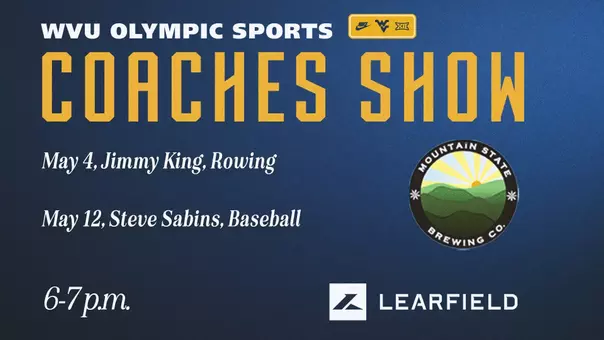
Steve Sabins | May 11
Monday, May 11
Alumni Series | Violet Hewett
Friday, May 01